Author: shrwanswami@gmail.com

  • Supporting evidence for Kia lemon law cases and warranty documentation

    Supporting evidence for Kia lemon law cases and warranty documentation

    When one purchases a car, one would expect that any defects in the car should be taken care of in order to ensure proper functioning of the car. When one encounters the same defect even after several visits to the repair station, one may have to consider whether there are warranty options for them.

    Identifying a possible lemon law issue

    A recurring issue with the machine or electronics is not necessarily a violation of lemon law requirements. The state requirements vary, and in some cases, the ability to meet these requirements could be related to the severity of the problem, the number of times it occurred, time spent waiting for repairs, or the number of miles driven, among other things.

    If you are looking into the Kia lemon law, it could be that your repair records may become a critical issue. Invoices, work orders, diagnostic results, technicians’ notes, and communications from the dealer could be used to determine when this problem started and what was done about it.

    Establishing a repair history in detail

    The service visit should be fully documented. The repair order will show what the consumer’s complaint was, what inspection was done, what parts were replaced, and what was repaired. Consumers need to check out this information before leaving the service shop and retain a copy for themselves.

    Mileage and dates may become important in assessing possible fixes as well. A chart of when the car was bought or delivered, when the defect occurred for the first time, when repairs were made, and when the car was not available may provide helpful information. Written correspondence with the dealer or the manufacturer is another way of providing notice.

    Checking warranty coverage

    Coverage may be stated by way of warranty language. Manufacturer information on the warranty usually discusses coverage times, maintenance needed, exclusions, and how warranty service is obtained. For instance, the information provided about Kia’s warranty covers the distinction between defects covered by the warranty and other conditions resulting from misuse, inadequate maintenance, modification, and wear and tear.

    The federal laws on warranties may also come into play in some situations involving written warranties. The federal warranty law creates rules with regard to the disclosure of warranties and how covered warranty obligations will be enforced. The Federal Trade Commission notes that there are some variations with regard to state laws.

    For more information on arbitration and other frequently asked Breach of Warranty questions, click here.

    Examination of possible remedy options

    The possible solutions might differ across different areas. Based on the particular law and situation, the vehicle problem could entail repair, replacement, reimbursement, arbitration, or some other resolution. It is not true that there is only one set of rules of the Kia lemon law that applies to all states because the applicability might depend on the area of purchase, warranty, defect, and repair record.

    Moving on to the Next Step

    A consumer who has encountered problems with a vehicle time and again can start by compiling all documents, warranties, repair slips, mileage, and correspondence. Maintaining everything in chronological order would make it simpler to track the history of the problem.

    Where repeated attempts to fix the vehicle have not corrected a significant problem, consideration could be given to the relevant provisions of the Kia lemon law to determine whether there is any recourse through the law.

  • E-Commerce Content Marketing: Legal Issues to Check Before Publishing

    Publishing useful articles can help an online store reach new customers, explain its products, and build relationships with other websites. But content marketing is not just a matter of choosing a topic and pressing “publish.” Guest posts, freelance work, product claims, customer data, and backlinks can all raise legal or contractual questions. A little planning helps businesses avoid preventable disputes and keep their marketing credible.

    Be Clear About Who Is Responsible

    When a brand commissions an article for another website, several parties may be involved: the store, a marketing agency, a writer, and the publisher. Before work begins, clarify who will draft, edit, approve, and publish the piece. An email or short written agreement can record the assignment, deadline, fee, revision process, and what happens if the article is rejected or delayed.

    It is also worth identifying who has authority to approve statements about the business and its products. A writer may not know whether a performance claim is supported, while a publisher may make edits after receiving the draft. Establishing an approval process reduces the chance that unreviewed or inaccurate language goes live.

    Disclose Commercial Relationships

    Readers should not be misled about why an article or recommendation appears. If a business pays for a guest article, supplies free products, or has another material relationship with the publisher or author, disclosure requirements may apply. The exact rules depend on the jurisdictions and platforms involved. In the United States, for example, advertising guidance from the Federal Trade Commission addresses clear disclosure of material connections. Other countries have their own consumer-protection and advertising rules.

    Disclosures should be easy to notice and understand, not buried in vague wording or placed where readers are unlikely to see them. A business should also check whether the publisher’s format and editorial policy allow an appropriate disclosure before agreeing to a placement. Transparency protects readers and can reduce the risk of a complaint or regulatory scrutiny.

    Review Product and Performance Claims

    Marketing copy can create legal exposure when it makes claims that are false, exaggerated, or unsupported. Statements about a product’s results, safety, ingredients, sustainability, delivery times, or savings should be accurate and backed by evidence appropriate to the claim. Testimonials and case studies need care too: a customer’s experience should not be presented as typical if it is unusual, and a testimonial does not automatically prove that a product works as described.

    Before publication, ask what evidence supports each specific claim and whether important qualifications are visible. If a product’s performance depends on conditions, those conditions may need to be explained. Rules can be especially detailed for areas such as health, finance, children’s products, and environmental claims, so specialist legal review may be sensible.

    Settle Copyright and Usage Rights in Writing

    Paying for an article does not necessarily transfer every intellectual-property right in it. The agreement should say whether the business receives ownership, an exclusive licence, or permission to use the work for particular purposes. It can also address edits, reuse in email campaigns or social media, attribution, and whether the writer may include the work in a portfolio.

    Make sure images, illustrations, fonts, quotations, and other materials are licensed for the intended use. A picture found through a search engine is not automatically free to use. Writers should confirm that material they supply is original or properly cleared, while the commissioning business should keep records of licences and permissions. Similar care applies to product photographs and customer-submitted content.

    Choose Publishing Opportunities Carefully

    A placement should be relevant to the audience, not chosen simply because a site offers a backlink. The publisher’s readership, subject matter, editorial standards, and proposed context all matter. Businesses comparing possible outlets can use an e-commerce guest-posting directory to explore sites covering online retail, then assess each opportunity independently. A directory is a starting point, not a substitute for checking the publisher’s policies, audience, and commercial terms.

    Backlinks also involve more than contract language. Search-platform policies may distinguish between editorial links and links placed in exchange for payment or other benefits. Ask how paid placements will be identified and whether links will be qualified in the way the relevant platform recommends. Avoid promises of guaranteed search rankings; no publisher or agency can reliably control them.

    Use Freelancers With Clear Terms

    Online marketplaces can make it easier to find writers, designers, developers, and other specialists, but a platform’s payment process does not resolve every legal question between the parties. For example, Osdire connects buyers and freelancers across a broad range of service categories, with payment held during an order and released after approval. Before commissioning work, agree on deliverables, deadlines, revisions, confidentiality, ownership or licensing, and the standard for acceptance.

    Businesses should also consider whether the freelancer is being engaged as an independent contractor under the applicable law. Labels in a contract are not always decisive; the actual working relationship and local rules may matter. For recurring or high-value work, obtain advice on classification, tax, and intellectual-property terms.

    Protect Customer and Business Information

    Briefs and drafts sometimes include customer names, order details, unpublished product plans, or access credentials. Share only what the freelancer needs, use secure methods for sensitive materials, and agree on confidentiality and deletion or return of files when work ends. If a project involves personal data, check applicable privacy obligations, including whether the service provider needs to follow written processing instructions or security requirements.

    A Practical Pre-Publication Check

    Before an article goes live, confirm that the right person approved it, claims are supportable, disclosures are clear, permissions cover every asset, and the agreed payment and link terms are understood. Keep copies of the brief, contract, approvals, evidence, and licences. Requirements differ by country and subject, so this overview is not a substitute for advice on a particular campaign. Still, a careful process makes it easier to publish useful content while respecting readers, creators, and the law.

  • Understanding Expert Witness Focus Areas in Modern Litigation

    Understanding Expert Witness Focus Areas in Modern Litigation

    Legal disputes have a funny way of becoming complicated. What starts as a disagreement over a contract, an injury, a financial loss, or a professional decision can quickly turn into a maze of technical evidence. Suddenly, the people deciding the case need to understand medical records, engineering reports, financial models, industry standards, or scientific research.

    That’s where expert witnesses can make a real difference.

    Rather than simply adding another voice to a legal argument, an expert helps explain information that falls outside ordinary knowledge. The most useful expert witness focus areas are closely connected to the questions a case actually needs to answer. When that match is right, complicated evidence can become much easier to understand.

    Why Specialized Expertise Matters

    Attorneys are trained to build legal arguments and interpret laws, but they aren’t expected to be specialists in every professional field. A construction lawyer may know the regulations surrounding a project without being a structural engineer. A personal injury attorney may understand the legal issues without having the medical training to interpret a complex diagnosis.

    An expert fills that gap.

    For example, imagine a dispute involving a defective machine. The attorney can establish what happened from a legal perspective, but an engineer might be needed to determine whether the machine was improperly designed, manufactured, installed, or maintained.

    That distinction matters because expert opinions can help decision-makers understand not just what happened, but why.

    Different Fields Require Different Experts

    There isn’t one universal type of expert witness. Modern litigation touches almost every industry imaginable, and each case may call for a different kind of specialist.

    Some common areas include:

    • Medicine and healthcare
    • Engineering and construction
    • Accounting and financial analysis
    • Economics and business valuation
    • Technology and cybersecurity
    • Accident reconstruction
    • Real estate
    • Environmental science
    • Intellectual property
    • Manufacturing and product safety

    Within each category, there can be even more specialized knowledge.

    A medical dispute, for instance, may require a neurologist rather than a general physician. A software patent case might require someone with highly specific technical experience. Choosing the right discipline is the first step toward obtaining useful testimony.

    Medical Expertise in Legal Disputes

    Healthcare-related disputes often involve some of the most complicated evidence in litigation. Medical records can be lengthy, clinical terminology can be difficult to interpret, and treatment decisions may depend on circumstances that aren’t obvious to someone outside medicine.

    That’s why medical experts are frequently called upon to examine issues such as diagnosis, treatment, causation, standard of care, prognosis, and the relationship between an injury and an alleged event.

    Consider a delayed-diagnosis case. A patient may have experienced symptoms for months before receiving the correct diagnosis. An expert could review the timeline, test results, clinical notes, and relevant standards to explain whether the delay was medically reasonable based on the information available at the time.

    The goal isn’t to make the case sound more complicated. Quite the opposite. A good medical expert makes the medical evidence easier to follow.

    Financial and Business Experts

    Money-related disputes can be equally challenging.

    Business valuations, lost profits, shareholder disputes, financial damages, and accounting disagreements often involve large amounts of data. A spreadsheet may contain the numbers, but understanding what those numbers mean can require specialized financial knowledge.

    A financial expert might examine revenue trends, expenses, market conditions, business records, and projections to determine the economic impact of an event.

    In a business dispute, for example, one side may claim that a contract breach caused substantial lost revenue. The other side may argue that the projected losses were unrealistic. An expert can analyze the assumptions behind those calculations and explain whether they are supported by the evidence.

    This kind of analysis can be especially valuable because financial claims sometimes look convincing until someone examines the underlying assumptions.

    Experts in Business Litigation

    The world of business litigation often involves more than contracts and corporate law. Disputes may include intellectual property, shareholder disagreements, partnership issues, employment matters, financial losses, or allegations of professional misconduct.

    Depending on the circumstances, attorneys may need experts in valuation, accounting, economics, industry practices, technology, or corporate operations.

    Imagine two companies arguing over the value of a software business after a merger falls apart. A valuation specialist could examine revenue, assets, market conditions, comparable companies, and future earning potential.

    That doesn’t automatically determine who wins. But it gives the court a professional framework for understanding a complicated financial question.

    What Makes an Expert Credible?

    Credentials matter, but they’re only part of the picture.

    A strong expert should have relevant education and professional experience, but they should also be able to explain how they reached their conclusions. If the reasoning isn’t clear, even impressive credentials may not carry much weight.

    Attorneys should consider an expert’s current professional involvement, certifications, publications, previous testimony, and experience with similar issues. They should also investigate potential conflicts of interest and carefully review the expert’s methodology.

    There’s another quality that’s easy to overlook: honesty.

    An expert who openly acknowledges limitations can sometimes appear more credible than one who insists every conclusion is absolute. Real-world professional analysis often involves uncertainty. Pretending otherwise can create problems during cross-examination.

    Communication Can Be as Important as Knowledge

    A brilliant expert isn’t necessarily a great witness.

    Courtrooms contain people with different levels of technical understanding. A judge may have considerable legal knowledge but limited familiarity with a specialized engineering process. Jurors may have no professional experience in the field at all.

    Experts need to bridge that gap.

    They should be able to explain technical concepts in ordinary language, use examples when helpful, and avoid unnecessary jargon. A complicated financial calculation may become clearer when broken into a few logical steps. A medical process might be easier to understand with a simple timeline.

    Good communication doesn’t mean leaving out important details. It means presenting those details in a way people can actually absorb.

    Preparing for Tough Questions

    Expert testimony rarely happens without preparation.

    Before a deposition or trial, an expert may review case documents, research materials, reports, photographs, records, calculations, and opposing opinions. Attorneys may also ask challenging questions during preparation sessions.

    That process isn’t about teaching the expert what to say. Ideally, it’s about making sure the expert understands the evidence thoroughly enough to answer unexpected questions.

    Cross-examination can be intense. Opposing counsel may challenge qualifications, assumptions, methodology, or conclusions. An expert who understands both the strengths and weaknesses of their analysis is generally better prepared to respond.

    Matching the Expert to the Actual Problem

    One of the biggest mistakes legal teams can make is choosing an expert based solely on reputation.

    A famous professional isn’t automatically the best fit.

    The better approach is to identify the specific question that needs expert analysis and then find someone whose experience directly relates to it. The closer that connection, the more naturally the expert can explain the issue.

    It can also help to consider whether the expert has practical experience rather than purely academic knowledge. Depending on the dispute, firsthand industry experience may provide valuable context that isn’t found in textbooks or research papers.

    The Real Value of Expert Witnesses

    At their best, expert witnesses bring clarity to complicated disputes. They don’t replace legal arguments, and they shouldn’t act as advocates disguised as specialists. Their role is more focused: examine the evidence, apply professional knowledge, and explain an opinion honestly.

    Whether a case involves medicine, engineering, finance, technology, or another specialized field, the right expert can help turn confusing information into understandable evidence.

    And that’s ultimately what makes expert testimony valuable. It isn’t about sounding impressive. It’s about making the difficult parts of a case easier to understand, one carefully explained fact at a time.


  • Estate Planning Services for Lasting Peace of Mind

    Estate Planning Services for Lasting Peace of Mind

    Planning for the future is one of the most meaningful steps you can take to protect your family, your finances, and your legacy. While many people believe estate planning is only necessary for the wealthy, the reality is that nearly every adult can benefit from professional estate planning services. A thoughtful estate plan helps ensure your wishes are respected, reduces unnecessary legal complications, and provides clarity during difficult times. By working with experienced legal professionals, you can create a strategy that protects what matters most while giving your loved ones confidence about the future.

    Why Estate Planning Matters More Than Ever

    Life changes quickly. Marriage, children, business ownership, home purchases, retirement, and unexpected health concerns can all impact your financial and legal responsibilities. Without a comprehensive estate plan, important decisions may be left to state laws instead of your personal wishes.

    Estate planning is about more than distributing assets after death. It also prepares you for situations where you may become unable to make financial or healthcare decisions yourself.

    A complete estate plan can help:

    • Protect your family’s financial future
    • Minimize disputes among beneficiaries
    • Designate trusted decision-makers
    • Preserve family wealth
    • Simplify the probate process
    • Reduce unnecessary legal expenses
    • Ensure healthcare preferences are respected

    Taking action today can prevent significant stress for your loved ones tomorrow.

    What Professional Estate Planning Services Include

    Quality estate planning services are tailored to each individual’s circumstances. Every family has unique goals, financial situations, and long-term priorities, which is why personalized planning is so valuable.

    Depending on your needs, an estate plan may include:

    A Last Will and Testament

    A will outlines how your assets should be distributed after your passing. It also allows parents of minor children to nominate legal guardians.

    Without a valid will, state laws determine who inherits your property, which may not reflect your intentions.

    Living Trusts

    A living trust allows assets to be managed during your lifetime and transferred efficiently after death. In many situations, trusts can help families avoid probate while maintaining privacy and improving asset management.

    Trusts are especially beneficial for:

    • Families with multiple properties
    • Business owners
    • Individuals with blended families
    • Parents of young children
    • People with significant investments

    Powers of Attorney

    Unexpected illness or injury can leave anyone unable to manage financial or legal matters.

    A financial power of attorney authorizes someone you trust to handle responsibilities such as:

    • Paying bills
    • Managing investments
    • Handling real estate transactions
    • Conducting banking activities
    • Signing legal documents

    Choosing this person in advance gives you greater control over future decisions.

    Healthcare Directives

    Healthcare directives communicate your medical preferences if you become unable to speak for yourself.

    These documents may include:

    • Living wills
    • Medical powers of attorney
    • End-of-life treatment preferences

    Providing clear instructions helps reduce uncertainty during emotionally challenging situations.

    Common Estate Planning Mistakes to Avoid

    Many people postpone estate planning because they assume they have plenty of time. Unfortunately, waiting often creates unnecessary complications.

    Some of the most common mistakes include:

    Not Having Any Estate Plan

    The biggest mistake is doing nothing. Without legal documents in place, your family may face lengthy court proceedings and difficult decisions.

    Failing to Update Documents

    An estate plan should evolve as your life changes.

    Review your documents after:

    • Marriage
    • Divorce
    • Birth or adoption of children
    • Major financial changes
    • Retirement
    • Purchasing property
    • Starting or selling a business

    Keeping documents current helps ensure they continue reflecting your wishes.

    Choosing the Wrong Decision-Makers

    Executors, trustees, guardians, and agents under powers of attorney have significant responsibilities.

    Select individuals who are:

    • Trustworthy
    • Organized
    • Financially responsible
    • Willing to serve
    • Able to communicate effectively

    Choosing someone solely because they are the oldest child or closest relative may not always be the best decision.

    Ignoring Digital Assets

    Modern estate planning should address digital property, including:

    • Online banking
    • Cryptocurrency
    • Cloud storage
    • Email accounts
    • Social media
    • Digital business assets

    Providing clear instructions makes these assets easier to manage.

    How Estate Planning Benefits Families

    One of the greatest advantages of comprehensive planning is reducing uncertainty.

    Instead of leaving loved ones guessing about your wishes, a well-prepared estate plan provides clear legal guidance.

    Families often benefit from:

    • Faster administration of assets
    • Fewer family disagreements
    • Better protection for minor children
    • Greater financial organization
    • Reduced court involvement
    • Increased peace of mind

    Estate planning is ultimately an act of care that protects those you value most.

    Estate Planning for Business Owners

    Business ownership introduces additional planning considerations.

    Without proper legal preparation, ownership transitions can become complicated and disruptive.

    Business owners often incorporate strategies involving:

    • Business succession planning
    • Ownership transfers
    • Buy-sell agreements
    • Protection of company assets
    • Tax planning considerations
    • Continuity planning

    These strategies help preserve the long-term success of the business while supporting family goals.

    Estate Planning Is Not Only for Retirement

    Many younger adults believe estate planning can wait until retirement. In reality, every adult benefits from having basic legal protections.

    Young professionals, parents, entrepreneurs, and homeowners all have responsibilities that deserve thoughtful planning.

    Even individuals with modest assets should consider preparing:

    • A will
    • Healthcare directives
    • Financial powers of attorney
    • Beneficiary designations

    Starting early allows your estate plan to grow alongside your life.

    Working With Experienced Estate Planning Professionals

    Estate planning involves legal requirements that vary depending on your circumstances and applicable state laws. Generic online templates often fail to address complex family dynamics, unique financial situations, or changing legal requirements.

    Experienced attorneys take time to understand your goals before recommending appropriate planning strategies. They also help ensure documents are properly drafted, executed, and updated when life changes occur.

    Professional guidance can help you avoid costly mistakes while creating a plan designed specifically for your family’s future.

    Protect Your Legacy with Estate Planning Services 

    Investing in professional estate planning services is one of the most responsible decisions you can make for yourself and your loved ones. A carefully prepared estate plan provides direction during uncertain times, protects important assets, and helps ensure your wishes are carried out according to your intentions.

    Whether you are planning for a growing family, protecting a successful business, preparing for retirement, or simply organizing your affairs, taking action today can provide lasting peace of mind. Working with experienced estate planning professionals allows you to build a personalized strategy that safeguards your legacy and helps your family move forward with confidence for generations to come.To learn more about personalized estate planning services and how experienced legal guidance can help protect your future, visit guardianlawaz. 

  • How to File a Civil Suit in India: Step-by-Step Process

    How to File a Civil Suit in India: Step-by-Step Process

    Introduction

    Somebody owes you money and just won’t pay. Or maybe a neighbour built a wall three feet into your land and refuses to move it. Whatever the dispute, at some point you start wondering: can I actually take this to court? The short answer is yes, and the process to file a civil suit in India isn’t as mysterious as it sounds once you break it down. I’ve sat through this process with clients more times than I can count, and honestly, most of the stress comes from not knowing the steps — not from the steps themselves.

    In this guide, I’ll walk you through the entire civil suit filing procedure the way it actually plays out in a district court, in 2026, not the textbook version.

    What Exactly Is a Civil Suit?

    Filing a civil suit simply means approaching a court to settle a dispute between two private parties — it’s not about crime or punishment, it’s about rights, property, money, or contracts.

    A civil suit could involve a property boundary dispute, breach of contract, recovery of money, or even matrimonial matters like divorce. Unlike criminal cases, the state isn’t prosecuting anyone here. It’s you versus the other party, with the court acting as referee.

    Step 1: Determine the Right Court

    You can’t just walk into any court. Jurisdiction matters — a lot.

    • Pecuniary jurisdiction: based on the value of your claim
    • Territorial jurisdiction: usually where the defendant resides or where the cause of action arose
    • Subject-matter jurisdiction: some courts only handle specific types of disputes

    Get this wrong and your case gets dismissed on a technicality before anyone even looks at the merits. I’ve seen it happen, and it’s genuinely painful to watch.

    Step 2: Draft the Plaint

    The plaint is your written statement of claim. It needs to include the cause of action, the relief you’re seeking, and the facts supporting your case, laid out under the Civil Procedure Code (CPC), 1908.

    Quick answer: A plaint is the formal document that starts a civil suit — it states who you’re suing, why, and what remedy you want from the court, and must comply with Order VII of the CPC.

    A sloppy plaint is one of the most common reasons cases drag on for years. Get a lawyer to draft this properly — this isn’t the place to cut corners.

    Step 3: Pay Court Fees

    Court fees in India are calculated based on the value of the suit, and honestly this trips up a lot of first-time litigants. Each state has its own Court Fees Act, so the percentage varies. For a suit valued at ₹5 lakh, you might be looking at anywhere between ₹15,000 to ₹40,000 depending on the state and nature of relief sought.

    Step 4: Filing and Verification

    Once the plaint is ready and fees are paid, it gets filed before the court registry along with supporting documents, a list of witnesses (if known), and a verification affidavit signed by you.

    The court then issues summons to the defendant. This is where a lot of delay creeps in — process serving in India can take weeks, sometimes months, especially if the defendant is avoiding service.

    Step 5: Written Statement and Issues

    The defendant gets 30 days (extendable up to 90 with the court’s permission) to file a written statement. After both sides have laid out their case, the court frames “issues” — the specific questions of fact and law it needs to decide.

    Step 6: Evidence and Arguments

    Both sides then present evidence — documents, witnesses, cross-examination, the works. This is usually the longest phase of a civil suit. I won’t lie to you: this can take anywhere from 2 to 8 years depending on the court’s backload and how cooperative both parties are.

    Step 7: Judgment and Decree

    Once arguments conclude, the court passes a judgment, followed by a decree — the formal expression of the court’s decision. If you’re unhappy with the result, you can appeal to a higher court within the limitation period, which is usually 90 days.

    A Quick Real-World Example

    Picture a small business owner in Jaipur who supplied furniture worth ₹8 lakh to a client who never paid. He filed a civil suit for recovery of money in the local district court. With proper documentation — invoices, delivery challans, WhatsApp messages confirming the order — his case moved relatively fast, and he got a decree in his favour within 14 months. Compare that to disputes with weak paper trails, which can stretch on for years. Documentation really is everything here.

    [link to related guide on drafting a legal notice before filing a suit here]

    Tips to Speed Things Up

    • Keep every document, email, and message related to the dispute
    • Send a legal notice before filing — courts appreciate that you tried to resolve it first
    • Choose a lawyer who specializes in civil litigation, not a generalist
    • Be present for hearings; unnecessary adjournments only hurt you

    FAQs

    Is it necessary to hire a lawyer to file a civil suit? Not legally, no — you can file it yourself under Order III of the CPC. But given how technical drafting and procedure can get, I’d strongly recommend hiring one unless the claim is very small and straightforward.

    How long does a civil suit take in India? It varies wildly — anywhere from 1 year to over a decade, depending on court backlog, complexity, and how many appeals get filed.

    What is the limitation period for filing a civil suit? Generally three years from the date the cause of action arose, though it depends on the type of dispute under the Limitation Act, 1963.

    Can a civil suit be filed online? Some states now offer e-filing through the e-Courts portal, which has genuinely made things a bit easier since around 2023.

    What happens if the defendant doesn’t respond to the summons? The court can proceed ex-parte, meaning it decides the case based on your evidence alone.

    [link to related article on recovery of money suits here]

    Conclusion

    Filing a civil suit isn’t complicated once you understand the sequence — jurisdiction, plaint, fees, filing, evidence, judgment. What actually determines whether you win or lose (and how fast) is preparation. Solid documentation and a good lawyer make more difference than people realize. If you’re staring down a dispute right now, don’t wait until it gets messier — get your paperwork organized and talk to a civil litigation lawyer this week.

    Suggested Image Alt Text:

    1. “Lawyer drafting a civil suit plaint document in India”
    2. “District court building where civil suits are filed”
    3. “Person reviewing court fee receipt for civil case filing”
  • Civil Law vs Criminal Law: Key Differences Explained

    Civil Law vs Criminal Law: Key Differences Explained

    Introduction

    Someone hits your car and drives off. Is that a criminal matter or a civil one? Turns out, it can be both — and that confuses a lot of people. Understanding civil law vs criminal law isn’t just academic curiosity; it decides which court you go to, what kind of relief you can expect, and who’s actually “against” whom in the case.

    Let’s clear this up properly, because I still get asked this question at least once a week.

    The Core Difference: Who’s Involved?

    Quick answer: In the civil law vs criminal law debate, civil law resolves disputes between private individuals or entities, while criminal law involves the state prosecuting someone for an offence against society.

    In civil cases, it’s Plaintiff vs Defendant. In criminal cases, it’s State vs Accused — even though there’s usually a victim, the state takes charge of prosecution because a crime is considered an offence against society at large, not just the individual.

    Purpose of Each

    Civil law aims to compensate the wronged party — money, specific performance, injunctions. Criminal law aims to punish the wrongdoer and deter future crime — fines, imprisonment, sometimes both.

    This distinction matters a lot in outcomes. Win a civil case, and you might get compensation. Win a criminal case (as the state), and the accused might go to jail — you personally don’t get money out of it directly, though courts can sometimes order compensation too.

    Burden of Proof

    This is honestly one of the biggest practical differences and it trips people up constantly.

    • Civil cases: decided on “preponderance of probability” — basically, whichever side’s story is more likely true
    • Criminal cases: decided on “beyond reasonable doubt” — a much higher standard, because someone’s liberty is at stake

    That’s why you sometimes see someone acquitted in a criminal case but still held liable in a related civil suit. O.J. Simpson’s case in the US is the textbook example, though we’ve had similar situations in Indian courts too.

    Governing Laws

    In India, civil matters are largely governed by the Civil Procedure Code, 1908, along with substantive laws like the Indian Contract Act, Transfer of Property Act, and the Hindu Marriage Act for family disputes. Criminal matters are governed by the Bharatiya Nyaya Sanhita (BNS), 2023, which replaced the IPC, along with the Bharatiya Nagarik Suraksha Sanhita (BNSS) for procedure.

    Nature of Remedies

    Civil remedies include:

    • Damages/compensation
    • Injunctions (stopping someone from doing something)
    • Specific performance of a contract
    • Declaration of rights

    Criminal remedies include:

    • Imprisonment
    • Fine payable to the state
    • Community service in some cases
    • Probation

    Can the Same Act Be Both Civil and Criminal?

    Absolutely, and this is where people get confused most often. Take a cheque bounce case — it’s both a criminal offence under Section 138 of the Negotiable Instruments Act and can also be pursued as a civil recovery suit. A road accident causing injury can lead to a criminal case (rash driving) and a separate civil claim (compensation via the Motor Accidents Claims Tribunal).

    I’ve noticed clients often assume filing one automatically covers the other. It doesn’t. They’re separate proceedings with separate timelines, and honestly, running both simultaneously is common practice.

    A Practical Example

    Say a contractor in Jaipur was hired to build a boundary wall, took the advance payment, and vanished without doing the work. That’s primarily a civil matter — breach of contract — and the aggrieved party would file a civil suit for recovery or damages. But if it can be shown the contractor never intended to do the work from the start (i.e., cheating), that opens the door to a criminal complaint under the BNS as well. Same facts, two very different legal tracks.

    [link to related guide on how to file a civil suit here]

    Who Initiates the Case?

    In civil law, the aggrieved party (plaintiff) initiates proceedings. In criminal law, generally the police or the state initiates action, though a private complaint can also be filed before a magistrate in many situations.

    [link to related article on filing an FIR in India here]

    FAQs

    Can I file both a civil and criminal case for the same incident? Yes, in many situations, since they address different aspects — compensation versus punishment.

    Which is faster, civil or criminal cases? Neither is fast, honestly, but criminal cases involving arrest often move quicker at the initial stages due to statutory timelines for bail and chargesheets.

    Do I need different lawyers for civil and criminal matters? Not necessarily different lawyers, but definitely different expertise — some lawyers specialize in one over the other.

    What’s the standard of proof difference in simple terms? Civil is “more likely than not,” criminal is “almost certain” — that’s the practical way to think about it.

    Is defamation civil or criminal? Both, actually — defamation is a criminal offence under the BNS and also a civil wrong (tort) for which you can claim damages.

    Conclusion

    The civil law vs criminal law distinction ultimately comes down to purpose, parties, and proof. Civil law is about making someone whole again; criminal law is about accountability to society. If you’re not sure which track your situation falls under — and honestly, plenty of situations involve both — that’s exactly the kind of question to bring to a lawyer before you decide how to proceed.

    Suggested Image Alt Text:

    1. “Comparison chart of civil law vs criminal law in India”
    2. “Gavel and law books representing Indian legal system”
    3. “Courtroom scene illustrating civil and criminal proceedings”
  • Fundamental Rights Under the Indian Constitution Explained

    Fundamental Rights Under the Indian Constitution Explained

    Introduction

    Ask ten people what their fundamental rights actually are, and you’ll probably get ten different half-answers. Everyone knows “freedom of speech” exists, but far fewer people know it comes with reasonable restrictions, or that there are six categories of these rights, not just one vague bundle.

    I think this gap in understanding is a real problem — these rights only protect you if you know they exist and know how to invoke them. So let’s actually go through them properly.

    What Are Fundamental Rights?

    Quick answer: Fundamental rights in India are basic rights guaranteed to citizens (and in some cases, all persons) under Part III of the Constitution, Articles 12 to 35, enforceable directly in the Supreme Court or High Courts.

    These aren’t just moral guidelines — they’re justiciable, meaning you can drag the government to court if they’re violated. That’s what separates them from Directive Principles, which are more like aspirational goals for the state.

    The Six Categories

    1. Right to Equality (Articles 14–18)

    This covers equality before law, prohibition of discrimination, equality of opportunity in public employment, and abolition of untouchability. Article 14 alone has generated an enormous amount of case law over the decades.

    2. Right to Freedom (Articles 19–22)

    Article 19 gives you six freedoms — speech, assembly, association, movement, residence, and profession — though every single one comes with “reasonable restrictions” in the interest of things like public order, morality, or sovereignty.

    3. Right Against Exploitation (Articles 23–24)

    Prohibits human trafficking, forced labour, and employment of children below 14 in hazardous jobs. This one doesn’t get talked about enough, honestly, given how relevant it still is.

    4. Right to Freedom of Religion (Articles 25–28)

    Guarantees freedom of conscience and free profession, practice, and propagation of religion, subject to public order and morality.

    5. Cultural and Educational Rights (Articles 29–30)

    Protects the interests of minorities to conserve their language, script, and culture, and to establish educational institutions.

    6. Right to Constitutional Remedies (Article 32)

    Dr. Ambedkar called this the “heart and soul” of the Constitution, and I genuinely agree. It gives you the right to directly approach the Supreme Court if any of your fundamental rights are violated.

    Right to Life — The Expanding One

    Article 21, the right to life and personal liberty, deserves special mention because courts have interpreted it so broadly over the decades — it now includes the right to privacy, right to a clean environment, right to livelihood, and right to a speedy trial, none of which are written explicitly in the text.

    [link to related guide on Article 21 of the Constitution here]

    How Are These Rights Enforced?

    You can approach the Supreme Court under Article 32 or a High Court under Article 226 through writs — habeas corpus, mandamus, prohibition, certiorari, and quo warranto. Each writ serves a different purpose:

    • Habeas corpus — challenges unlawful detention
    • Mandamus — orders a public authority to perform its duty
    • Certiorari — quashes an order of a lower court/tribunal
    • Prohibition — stops a lower court from exceeding jurisdiction
    • Quo warranto — questions the legality of a person holding public office

    Restrictions Are Real

    Here’s something people often overlook: none of these rights, except a couple, are absolute. The state can impose reasonable restrictions — and what counts as “reasonable” has been litigated endlessly. I’d argue this balancing act is actually the most interesting (and most debated) part of constitutional law in India.

    A Practical Example

    In 2023, a journalist in Rajasthan was denied permission for a public gathering by local police citing “law and order.” He challenged this in the High Court, arguing it violated his Article 19(1)(b) right to peaceful assembly. The court had to weigh his freedom against the state’s claim of reasonable restriction — this kind of case happens constantly, and it shows these aren’t just abstract principles sitting in a textbook.

    [link to related article on how to file a writ petition here]

    FAQs

    Are fundamental rights available to foreigners in India? Some are — like Article 21 (life and liberty) — while others, like certain freedoms under Article 19, are reserved for citizens only.

    Can fundamental rights be suspended? Yes, during a National Emergency under Article 352, though Articles 20 and 21 cannot be suspended even then.

    What’s the difference between fundamental rights and human rights? Fundamental rights are constitutionally guaranteed and legally enforceable in India specifically; human rights are broader, universal, moral entitlements recognized internationally.

    Can Parliament amend fundamental rights? Yes, but not in a way that violates the “basic structure” of the Constitution, as laid down in the Kesavananda Bharati case.

    What happens if my fundamental right is violated by a private individual, not the state? Generally, fundamental rights are enforceable against the state, though some, like Article 17 (untouchability) and Article 23 (forced labour), apply against private individuals too.

    Conclusion

    Fundamental rights aren’t just constitutional decoration — they’re tools you can actually use. Knowing which right applies to your situation, and which writ or remedy fits, makes the difference between a violation going unchecked and getting real relief. If you feel any of these rights have been infringed, don’t sit on it — the courts exist precisely for this.

    Suggested Image Alt Text:

    1. “Indian Constitution book with fundamental rights chapter”
    2. “Supreme Court of India building”
    3. “Citizens exercising freedom of speech and assembly in India”
  • What is Article 21 of the Indian Constitution?

    What is Article 21 of the Indian Constitution?

    Introduction

    If I had to pick the single most powerful line in the Indian Constitution, it’d be Article 21 — just one sentence, and yet courts have built an entire universe of rights out of it. “No person shall be deprived of his life or personal liberty except according to procedure established by law.” That’s it. That’s the whole text. But what it’s come to mean is a completely different story.

    Let’s get into what Article 21 actually protects today, because it’s grown far beyond what the framers originally wrote down.

    The Original Text and Intent

    Quick answer: Article 21 guarantees that no person can be deprived of life or personal liberty except through a fair, just, and reasonable legal procedure — and it applies to citizens and non-citizens alike.

    Initially, courts read this narrowly. In the 1950s case of A.K. Gopalan, the Supreme Court held that “procedure established by law” just meant any procedure enacted by the legislature, however unfair. That changed dramatically later.

    The Turning Point: Maneka Gandhi Case (1978)

    This case basically rewrote how Article 21 works. The Supreme Court held that the procedure depriving someone of life or liberty must be fair, just, and reasonable — not arbitrary. This linked Article 21 with Article 14 (equality) and Article 19 (freedoms), creating what’s called the “golden triangle” of the Constitution.

    Honestly, I think this is one of the most important judicial developments in Indian legal history. Without it, Article 21 would still just be a narrow procedural safeguard.

    What Article 21 Has Grown to Include

    This is where it gets genuinely fascinating. Through decades of judicial interpretation, courts have read the following into the right to life:

    • Right to privacy (Puttaswamy case, 2017)
    • Right to a clean and healthy environment
    • Right to livelihood
    • Right to speedy trial
    • Right to legal aid for the accused
    • Right to shelter
    • Right against solitary confinement
    • Right to die with dignity (passive euthanasia, in limited circumstances)

    That’s a lot packed into one sentence that never even used the word “privacy” or “environment.”

    Article 21A: A Specific Offshoot

    Worth mentioning — Article 21A was added via the 86th Amendment in 2002, guaranteeing free and compulsory education for children aged 6 to 14. It’s essentially a child of Article 21’s expansive reading, later given its own dedicated provision.

    [link to related guide on fundamental rights in India here]

    Who Can Invoke Article 21?

    Unlike some other fundamental rights that are restricted to citizens, Article 21 uses the word “person” — meaning it applies to everyone within Indian territory, including foreign nationals. This came up prominently in cases involving undertrial prisoners and refugees.

    Restrictions — Yes, Even This Right Has Them

    Article 21 isn’t absolute. The state can deprive someone of life or liberty, but only through “procedure established by law” that is fair and reasonable — for instance, imprisonment after a proper trial isn’t a violation. What’s not allowed is arbitrary, unfair, or oppressive procedure.

    A Real Example

    There was a case involving an undertrial prisoner in Rajasthan who had spent nearly six years in jail awaiting trial for an offence that carried a maximum sentence of five years. His lawyer argued this violated his right to a speedy trial under Article 21. The court agreed and ordered his release on bail, reiterating that prolonged incarceration without trial is itself a constitutional violation. Cases like this happen more often than people realize.

    [link to related article on bail process in India here]

    FAQs

    Does Article 21 protect against the death penalty? Not entirely — capital punishment is constitutional in India in the “rarest of rare” cases, as long as due procedure is followed, per the Bachan Singh judgment.

    Is the right to privacy really part of Article 21? Yes, confirmed unanimously by a nine-judge bench in the Justice K.S. Puttaswamy vs Union of India case in 2017.

    Can Article 21 be suspended during an emergency? No — Article 21, along with Article 20, cannot be suspended even during a National Emergency, unlike most other fundamental rights.

    Does Article 21 apply to companies? No, “personal liberty” under Article 21 applies to natural persons, not corporate entities.

    What’s the difference between Article 21 and Article 21A? Article 21 is the broad right to life and liberty; Article 21A is a specific, narrower right to free education for children aged 6-14, added later.

    Conclusion

    Article 21 started as a fairly narrow procedural safeguard and turned into the backbone of nearly every major rights-based judgment in Indian constitutional history. It’s proof that a single sentence, interpreted generously by courts over decades, can end up protecting privacy, dignity, environment, and so much more. If you ever feel your basic dignity or liberty has been unfairly compromised by state action, Article 21 is very likely the provision your lawyer will reach for first.

    Suggested Image Alt Text:

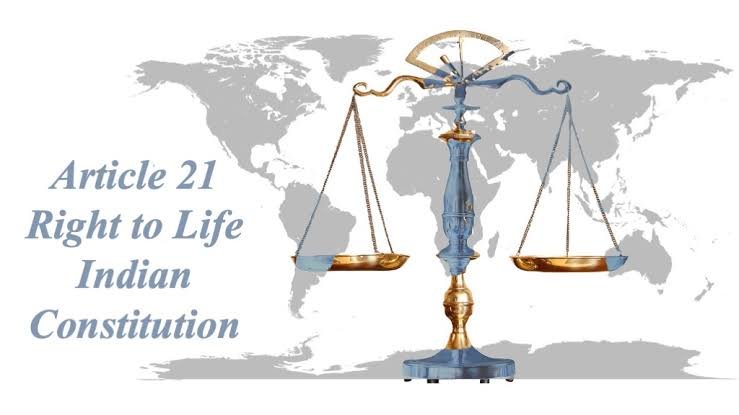
    1. “Article 21 right to life Indian Constitution illustration”
    2. “Supreme Court judges bench delivering constitutional verdict”
    3. “Person holding copy of Indian Constitution book”
  • How to Register a Private Limited Company in India

    How to Register a Private Limited Company in India

    Introduction

    You’ve got the idea, maybe even a co-founder, and now you’re staring at the MCA website wondering where to even start. I get this question constantly from first-time founders in Jaipur and elsewhere — the company registration process looks intimidating from the outside, but it’s genuinely more straightforward than most people assume once you know the sequence.

    Let’s break down exactly how to register a private limited company in India in 2026, step by step, no fluff.

    Why Choose a Private Limited Company?

    Quick answer: A Private Limited Company offers limited liability protection, easier access to funding, and better credibility with investors and clients compared to a sole proprietorship or partnership — which is why most startups in India choose this structure.

    That said, it’s not automatically the right choice for everyone. If you’re a solo consultant with no plans to raise funding, an LLP or even a sole proprietorship might genuinely serve you better with less compliance burden.

    Step 1: Obtain Digital Signature Certificates (DSC)

    Every proposed director needs a DSC, since all filings with the Ministry of Corporate Affairs (MCA) are done electronically. This usually takes 1-2 days and costs somewhere between ₹1,000 to ₹2,000 per person, depending on the certifying agency.

    Step 2: Apply for Director Identification Number (DIN)

    DIN can now be applied for directly within the SPICe+ form during incorporation itself, which has genuinely simplified this compared to a few years ago when it was a separate step.

    Step 3: Name Reservation via SPICe+ Part A

    You’ll propose up to two names for your company through the SPICe+ (Simplified Proforma for Incorporating Company Electronically Plus) form. The Registrar of Companies checks for uniqueness and compliance with naming guidelines.

    A quick tip: avoid names too similar to existing trademarks or companies — this is one of the most common causes of rejection, and it happens more than you’d think.

    Step 4: Draft MOA and AOA

    The Memorandum of Association (MOA) defines your company’s objectives and scope, while the Articles of Association (AOA) lay out internal governance rules. Most company secretaries use standard templates, but customizing these based on your specific business needs is worth the extra time.

    Step 5: File SPICe+ Part B

    This is where the bulk of the actual incorporation happens — company details, registered office address, subscriber and director details, PAN and TAN application, and even EPFO/ESIC registration, all bundled into one integrated form.

    Step 6: Payment of Fees and Stamp Duty

    Fees vary based on authorized capital and the state where you’re registering. For a company with ₹1 lakh authorized capital in Rajasthan, you’re typically looking at government fees plus stamp duty totaling somewhere around ₹3,000 to ₹7,000, though professional fees for a CA or CS will add to that.

    Step 7: Certificate of Incorporation

    If everything checks out, the Registrar issues a Certificate of Incorporation (COI), along with your Corporate Identification Number (CIN), PAN, and TAN. This usually takes anywhere from 7 to 15 working days if there are no discrepancies — though I’ve seen it stretch longer when documentation is messy.

    Documents You’ll Need

    • PAN card of all directors and shareholders
    • Aadhaar card and address proof
    • Passport-size photographs
    • Proof of registered office (rent agreement/utility bill + NOC from owner)
    • Passport (mandatory for foreign nationals/NRIs)

    A Real-World Example

    Two friends in Jaipur wanted to start a small D2C skincare brand. They initially considered a partnership firm to save on compliance costs, but once they realized they’d need external funding within a year, they went with a Private Limited Company instead. The whole company registration process took about 12 days, cost them roughly ₹14,000 all-in including professional fees, and gave them the structure investors expect to see before writing a cheque.

    [link to related guide on corporate compliance checklist here]

    Post-Incorporation Compliances

    Registering the company isn’t the finish line — right after, you’ll need to:

    • Open a current bank account
    • Appoint a statutory auditor within 30 days
    • Issue share certificates to subscribers
    • File INC-20A (declaration of commencement of business)

    Miss these and you’re looking at penalties, sometimes fairly steep ones for smaller companies.

    [link to related article on legal documents required for startups here]

    FAQs

    How much does it cost to register a private limited company in India? Typically between ₹7,000 to ₹20,000 all-inclusive for a small company, depending on authorized capital and professional fees.

    How long does company registration take? Usually 7-15 working days if documents are in order, though delays happen if the ROC raises queries.

    Can a single person register a private limited company? Not exactly — a Private Limited Company needs a minimum of two directors and two shareholders (they can be the same people), but a solo founder should look at a One Person Company (OPC) instead.

    Is GST registration part of company registration? No, GST registration is separate and needs to be applied for once you cross the turnover threshold or want to register voluntarily.

    Can NRIs register a company in India? Yes, NRIs and foreign nationals can be directors and shareholders, subject to FDI norms and additional documentation like a valid passport and overseas address proof.

    Conclusion

    The company registration process in India has genuinely improved over the last few years with the integrated SPICe+ form — what used to take weeks of back-and-forth filings now happens through a single window. Still, getting your documents and name selection right the first time saves you a lot of unnecessary delay. If you’re serious about starting up, get your paperwork together and talk to a company secretary before you file — it’s cheaper to get it right than to fix it later.

    Suggested Image Alt Text:

    1. “SPICe+ form for company registration in India”
    2. “Founders signing MOA and AOA documents”
    3. “Certificate of Incorporation issued by Registrar of Companies”
  • Corporate Compliance Checklist for Startups in India

    Corporate Compliance Checklist for Startups in India

    Introduction

    Nobody starts a company because they’re excited about filing annual returns. But here’s the thing — I’ve watched too many founders get blindsided by penalties for missing basic compliance deadlines, sometimes running into lakhs of rupees for something that would’ve taken an afternoon to file on time. A solid corporate compliance checklist isn’t glamorous, but it genuinely protects your company and your personal liability as a director.

    Let’s go through what actually needs to happen, and when, so you’re not caught off guard.

    Why Corporate Compliance Actually Matters

    Quick answer: Corporate compliance refers to the legal and regulatory filings a company must complete under the Companies Act, 2013, and other applicable laws — skipping these can lead to penalties, director disqualification, or even company strike-off.

    I’ve seen directors get disqualified for three years simply because their company failed to file annual returns for three consecutive financial years. It’s an avoidable disaster, and yet it happens all the time.

    Monthly and Quarterly Compliances

    GST Filings

    If you’re GST registered, GSTR-1 and GSTR-3B need to be filed monthly (or quarterly under the QRMP scheme for smaller businesses), with due dates typically falling on the 11th and 20th of the following month respectively.

    TDS Payments and Returns

    TDS deducted needs to be deposited by the 7th of the following month, with quarterly TDS returns (Form 24Q/26Q) due by the last day of the month following each quarter.

    Annual ROC Compliances

    This is where most founders lose track. Here’s what’s typically required every year:

    • Form ADT-1 — auditor appointment, within 15 days of AGM
    • Form AOC-4 — filing of financial statements, within 30 days of AGM
    • Form MGT-7/MGT-7A — annual return, within 60 days of AGM
    • DIR-3 KYC — director KYC, by September 30 each year for every director

    Missing DIR-3 KYC alone can get a director’s DIN deactivated, which then blocks them from signing off on other filings too — it’s a domino effect that’s genuinely annoying to untangle.

    Income Tax Compliances

    Companies need to file their Income Tax Return by October 31 (if subject to audit) or earlier, along with advance tax payments in four installments through the year. Tax audit under Section 44AB applies if turnover crosses specified thresholds.

    [link to related guide on company registration process here]

    Board Meetings and Statutory Registers

    Private companies must hold a minimum of four board meetings per year, with a gap of no more than 120 days between two consecutive meetings. Startups often skip this, treating it as a formality — but proper minutes and statutory registers (register of members, register of directors, etc.) matter a lot during due diligence if you’re raising funds later.

    Event-Based Compliances

    Beyond the routine annual filings, certain events trigger immediate compliance obligations:

    • Change in registered office address
    • Appointment or resignation of directors
    • Allotment of new shares
    • Change in authorized or paid-up capital
    • Any charge created on company assets (like a loan against property)

    Each of these needs to be reported to the ROC within specified timelines, usually 30 days, through relevant forms.

    Labour Law Compliances (If You Have Employees)

    Once you start hiring, a whole new set of obligations kicks in — EPF registration (mandatory once you cross 20 employees), ESIC registration, professional tax (state-specific), and adherence to the Shops and Establishments Act of your state.

    A Real-World Example

    A fintech startup in Jaipur onboarded its first ten employees within the first year but completely overlooked professional tax registration, assuming it only applied to larger companies. During a routine inspection eighteen months later, they were slapped with a penalty along with interest on the unpaid tax. It cost them roughly ₹45,000 in penalties for something that would’ve cost nothing if handled on time. That’s the real cost of skipping corporate compliance.

    [link to related article on legal documents every startup needs here]

    Building a Compliance Calendar

    Honestly, the single best thing any founder can do is maintain a compliance calendar, or better yet, engage a company secretary on retainer. It’s a small monthly cost compared to the penalties, legal fees, and stress of catching up on missed filings later.

    FAQs

    What happens if a company misses ROC filing deadlines? Late filing fees apply, often at ₹100 per day per form with no upper cap in many cases, plus possible director disqualification for repeated defaults.

    Do all private limited companies need a statutory audit? Yes, every private limited company in India requires a statutory audit regardless of turnover, unlike LLPs which have a threshold.

    Is DIR-3 KYC mandatory every year? Yes, every director with a DIN must complete DIR-3 KYC annually by September 30, even if there’s no change in details.

    Can a startup handle compliance without a company secretary? Technically yes for very small companies, but given how many deadlines and forms are involved, most founders find it more practical to outsource this.

    What is the penalty for not holding board meetings? Non-compliance can attract penalties on the company and every officer in default, and it also creates governance red flags during investor due diligence.

    Conclusion

    Corporate compliance might feel like paperwork nobody warned you about, but treating it as an afterthought is one of the costliest mistakes a startup founder can make. Build a calendar, automate reminders, or hire someone to handle it — whatever works, just don’t let it slip. Your company’s good standing (and your own liability as a director) depends on it more than you’d think.

    Suggested Image Alt Text:

    1. “Startup founder reviewing corporate compliance checklist”
    2. “Calendar marking ROC filing deadlines for companies”
    3. “Company secretary filing annual return documents”